Staging your home doesn’t have to break the bank; it’s all about making smart, strategic choices that can drastically enhance your property’s appeal. In today’s competitive real estate market, a well-staged home can mean the difference between a quick sale and a property that lingers unsold. With a little creativity and effort, you can transform your space into an inviting showcase that draws in potential buyers and pays off in the long run.
This guide will walk you through the importance of home staging, practical budget-friendly tips, and innovative DIY techniques that will help you capture the attention of buyers without overspending. Whether you’re preparing for an open house or simply looking to create a welcoming atmosphere, these insights will empower you to stage your home effectively on a budget.
Importance of Home Staging
Staging your home is a crucial step in the selling process that can significantly influence potential buyers’ perceptions. By presenting your home in its best light, you can create a welcoming atmosphere that resonates with buyers, making them more likely to envision themselves living there. Staging not only helps in showcasing a home’s best features but also speeds up the sale process and can lead to higher sale prices.
A study by the National Association of Realtors found that staged homes sell 73% faster than non-staged homes. For instance, a property in a suburban neighborhood was staged and received multiple offers within just a week of listing, ultimately selling for 10% above its asking price, demonstrating how effective staging can be.
Budget-Friendly Home Staging Tips
Staging your home doesn’t have to break the bank. There are numerous budget-friendly strategies that can enhance your home’s appeal without substantial spending. Here are some practical tips to consider:
- Declutter your space to create a more open and inviting environment.
- Focus on curb appeal by maintaining the lawn, planting flowers, and ensuring the front door is clean and inviting.
- Rearrange existing furniture to create better flow and emphasize key areas of the home.
- Use neutral colors for a fresh look—consider inexpensive paint options.
- Add inexpensive accessories like throw pillows or artwork to enhance the decor.
DIY Home Staging Techniques
Effectively decluttering your home is a vital first step in the staging process. Begin by removing personal items and excess furniture, which can distract buyers from the home’s features. A well-organized and clutter-free space allows potential buyers to better visualize their own belongings in the home.Fresh paint can dramatically transform a space, giving it a clean and updated appearance. Minor repairs, such as fixing leaky faucets or replacing worn-out hardware, can also enhance the overall impression of the home.
Moreover, creating inviting atmospheres through lighting and accessories can make a significant impact. For example, strategically placed lamps and candles can add warmth and appeal in areas like the living room or dining space.
Home Staging Myths
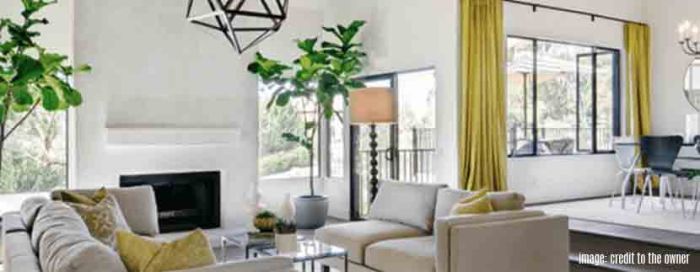
There are several misconceptions about home staging that can hinder effective selling strategies. One common myth is that staging is only for high-end properties; however, all homes can benefit from a well-thought-out staging process. Another misconception is that staging costs too much; in reality, many staging techniques can be executed at minimal cost and can significantly increase a home’s marketability.
Understanding the true value of staging versus its perceived costs can lead to better decision-making when preparing a property for sale.
Role of Real Estate Agents in Home Staging
Real estate agents play an essential role in the home staging process. They can provide valuable insights into local market trends and offer suggestions on what specific features to highlight during staging. Agents often have a keen eye for design and can advise on the best practices to make a property more appealing to potential buyers.Agents look for a home that is clean, well-organized, and showcases its best attributes.
They market staged homes more effectively, often utilizing professional photography that captures the beauty of the staged spaces. This can lead to a more successful sales experience overall.
Staging for Different Types of Properties
Staging techniques can vary significantly depending on the type of property. Luxury homes often require a more sophisticated approach, showcasing high-end finishes and spacious layouts through careful selection of art and decor. In contrast, staging residential properties may focus more on maximizing space and functionality, making them feel welcoming and livable. Commercial properties also necessitate different strategies, often emphasizing versatility and potential uses of the space.
Foreclosures may benefit from a focus on repairs and cleanliness to counteract any negative associations buyers might have.
The Impact of Green Real Estate on Staging
With the rise of environmentally conscious buyers, eco-friendly staging practices are increasingly important. Utilizing sustainable materials, such as reclaimed wood or recycled decor, can attract modern buyers who prioritize green living.Employing energy-efficient lighting solutions and emphasizing the home’s energy-saving features can also enhance its appeal. Green staging not only caters to buyer preferences but can also lead to a more sustainable approach to selling homes.
The Importance of First Impressions
First impressions can significantly affect potential buyers’ decisions. Research indicates that buyers form an opinion about a home within seconds of seeing it. This initial perception is often based on the property’s exterior and entryway.To maximize the impact of first impressions, focus on enhancing curb appeal with well-maintained landscaping, clean entryways, and inviting outdoor spaces. Making small adjustments, like painting the front door or adding a welcome mat, can make a substantial difference in how buyers perceive the home.
Moving and Relocating: Timing Your Staging
Timing your staging efforts in relation to moving out is crucial for a successful sale. Ideally, staging should be completed before listing the property; however, it is possible to stage while living in the home. Creating a balance between maintaining your day-to-day life and staging can be achieved through strategic planning. Consider designating specific areas of the home for staging while keeping the rest functional, allowing for both ease of living and effective presentation to potential buyers.
Marketing Staged Homes
Effectively marketing a staged home involves showcasing the property in its best light, both in person and online. High-quality photography is essential; professional images can highlight the staged spaces, attracting more buyers.Utilizing social media platforms to display the home can significantly increase visibility. Creating engaging content that highlights the benefits of staging can help generate interest and excitement around the property, ultimately leading to a quicker sale.
Closing Notes
In conclusion, staging your home on a budget is not just feasible; it’s a powerful strategy that can significantly influence buyers’ perceptions and decisions. By incorporating simple yet effective techniques, you can showcase your home’s best features while maintaining financial savvy. Remember, the goal is to create an inviting environment that allows potential buyers to envision themselves living in your space, ultimately leading to a successful sale at the best price possible.
FAQ Corner
What is the best way to start staging my home?
<pBegin by decluttering and depersonalizing your space to create a neutral canvas for potential buyers. Remove excess furniture and personal items to allow buyers to envision themselves in the space.
How much should I budget for staging my home?
Staging on a budget can be done with minimal expense; aim for around 1-3% of your home’s value for a comprehensive approach, but you can start with smaller, targeted improvements.
Can I stage my home while living in it?
Yes, staging can be done while you live in your home. Focus on key areas like the living room, kitchen, and bedrooms to create an inviting atmosphere without disrupting your daily life.
What are some inexpensive ways to enhance curb appeal?
Planting flowers, adding fresh mulch, repainting the front door, and ensuring the lawn is well-maintained are great ways to enhance curb appeal without significant costs.
Should I hire a professional stager?
While hiring a professional can be beneficial, many homeowners successfully stage their homes themselves with effective planning and creativity, especially on a budget.