Smart home trends 2025 are set to redefine how we interact with our living spaces. As technology continues to advance at an unprecedented pace, homeowners are increasingly embracing smart devices that offer convenience, security, and efficiency. From artificial intelligence enhancing automation systems to sustainable technologies reshaping luxury homes, the future of smart living is not just a trend; it’s becoming a lifestyle.
This evolution is not only transforming individual homes but also influencing the real estate market, with smart features impacting home valuations and buyer preferences. As we navigate through the latest innovations, integration in real estate, and sustainable practices, the landscape of smart homes reveals exciting opportunities for both homeowners and investors alike.
Smart Home Technology Innovations
The world of smart homes is experiencing rapid advancements, with innovations shaping the way we live and interact with our living spaces in 2025. Key technologies are leading the charge, enhancing automation and connectivity, and making homes more efficient and secure.
Latest Technologies Driving Smart Home Trends
Smart home technology is evolving through several significant innovations:
- IoT Devices: The Internet of Things (IoT) continues to expand, with devices such as smart thermostats, lighting, and appliances becoming more interconnected. This seamless interaction allows homeowners to manage their devices through a single app, enhancing convenience.
- Voice Assistants: Voice-controlled technology, such as Amazon Alexa and Google Assistant, is becoming a staple in smart homes. These systems allow users to control various devices hands-free, creating a more intuitive home environment.
- Smart Sensors: Advanced sensors for security, energy management, and environmental monitoring are vital. They provide real-time data, allowing homeowners to optimize their living conditions.
Impact of Key Smart Devices
The integration of smart devices profoundly affects residential properties. Devices such as smart locks, lighting systems, and security cameras enhance convenience and security while reducing energy consumption. Homeowners can monitor and control their homes from anywhere, leading to increased peace of mind and energy savings.
Role of AI in Home Automation Systems
Artificial Intelligence (AI) plays a crucial role in the evolution of home automation. AI algorithms analyze user behavior and preferences, enabling personalized automation schedules. For instance, smart thermostats learn the homeowner’s temperature preferences and adjust settings automatically, which enhances comfort and energy efficiency.
Integration of Smart Homes in Real Estate
The incorporation of smart home features significantly influences real estate valuations and sales. Properties equipped with smart technology often command higher prices and sell faster than their traditional counterparts.
Influence on Home Valuations and Sales
Smart home features are increasingly becoming a selling point that can elevate property values. Homes with integrated smart technology, such as energy-efficient appliances and security systems, appeal to buyers looking for modern amenities.
Benefits for Real Estate Agents and Investors
Real estate agents and investors benefit from the demand for smart homes. The availability of smart home technology can enhance marketing strategies, attract tech-savvy buyers, and provide a competitive edge in the market.
Comparison of Selling Methods
Traditional home selling methods differ significantly from those utilizing smart home marketing strategies. By showcasing smart features, agents can highlight the benefits of modern living, such as increased efficiency and enhanced security, making properties more attractive to potential buyers.
Sustainable Smart Homes
Sustainability is a key focus for smart homes in 2025 as more homeowners prioritize eco-friendly living. Innovations in green technologies are reshaping residential properties.
Green Technologies Shaping Smart Homes
Emerging green technologies are crucial for the development of sustainable smart homes. These include:
- Solar Panels: Solar energy systems are increasingly being integrated into smart homes, providing renewable energy sources and reducing reliance on fossil fuels.
- Energy Management Systems: Smart energy management tools help homeowners monitor and optimize energy usage, contributing to significant cost savings.
- Water Conservation Systems: Smart irrigation systems and water-saving appliances are gaining popularity, minimizing waste and promoting sustainable living practices.
Significance of Energy-Efficient Appliances
Energy-efficient appliances are essential in luxury homes, as they not only reduce environmental impact but also lower utility costs. High-end brands are now offering smart appliances that integrate with home automation systems, making it easier for homeowners to manage energy use effectively.
Appeal of Sustainable Living Trends
Modern homebuyers are increasingly drawn to sustainable living trends. Properties that incorporate eco-friendly features align with buyers’ values, making them more desirable in the competitive real estate market.
Smart Home Design Trends
In 2025, the integration of smart technologies into luxury home designs creates unique and appealing living environments. Designers are incorporating these features in innovative ways.
Popular Luxury Home Designs
Luxury homes are adopting smart technologies to enhance both aesthetics and functionality. Examples include:
- Smart Kitchens: Equipped with smart appliances, voice-activated systems, and automated lighting.
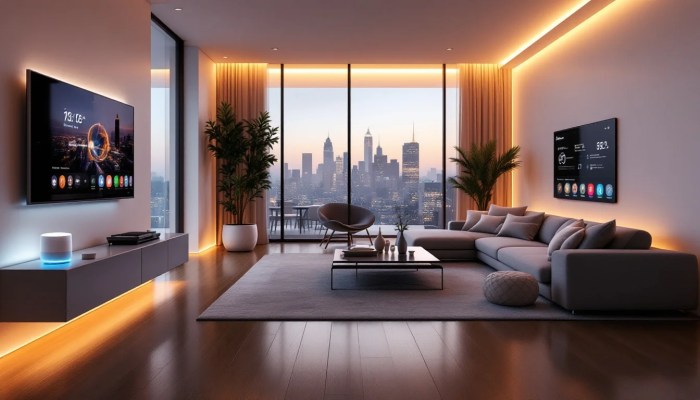
- Connected Living Spaces: Living rooms with integrated sound systems and smart TVs that connect seamlessly with other devices.
- Home Offices: Smart technology integrated into workspaces for improved productivity and connectivity.
Integrating Smart Features into New Constructions
New home constructions increasingly incorporate smart technologies from the design phase. Builders focus on wiring homes for connectivity, ensuring that features like automated lighting and climate control are standard.
Aesthetics of Smart Devices
Smart home devices are designed to complement modern luxury decor. Sleek, minimalistic designs allow these devices to blend seamlessly into the home environment, enhancing rather than detracting from the overall aesthetic.
Smart Home Security Solutions
Advancements in security systems are transforming how homeowners protect their properties. Smart security solutions offer enhanced protection and peace of mind.
Advancements in Security Systems
Smart security solutions include features such as:
- Video Surveillance: High-definition cameras that provide real-time monitoring and recording capabilities.
- Smart Locks: Keyless entry systems that allow homeowners to control access remotely.
- Alarm Systems: Integrated systems that notify homeowners and authorities in case of breaches.
Importance of Cybersecurity Measures
As smart home devices become more prevalent, the importance of cybersecurity cannot be overstated. Homeowners must implement measures to secure their networks and devices against potential cyber threats.
Impact on Leasing and Renting Market
Smart security features significantly influence the leasing and renting market. Properties equipped with advanced security systems attract tenants looking for safety and modern amenities.
The Future of Smart Commercial Properties
The influence of smart home trends extends into the commercial real estate sector, where technology integration is reshaping development strategies.
Impact on Commercial Real Estate Developments
Smart home trends are driving innovation in commercial properties. Developers increasingly incorporate smart technologies into building designs to create efficient, connected spaces that enhance tenant experiences.
Integration of Smart Technologies in Construction Projects
The integration of smart technologies in commercial construction involves using advanced building management systems, energy-efficient designs, and IoT devices to optimize operational performance.
Successful Smart Commercial Properties
Examples of successful smart commercial properties demonstrate the advantages of technology in real estate. These properties often experience reduced operating costs, enhanced tenant satisfaction, and increased property values.
Real Estate Investment in Smart Homes
Investing in smart real estate properties presents unique opportunities and potential returns that can surpass traditional investments.
Investment Opportunities in Smart Real Estate
The growing demand for smart homes creates investment opportunities. Investors can capitalize on emerging trends by investing in properties featuring advanced technology and sustainability.
Returns on Investment Comparison
Comparing returns on investment for traditional homes versus smart homes reveals significant advantages for smart properties, including higher resale values and lower vacancy rates.
Strategies for Real Estate Investors
Investors can leverage smart home trends by targeting properties that incorporate sought-after technologies, ensuring a competitive edge in the market.
Market Demand for Luxury Smart Homes
The luxury real estate market is witnessing a surge in demand for smart homes as affluent buyers seek modern conveniences and advanced features.
Growing Demand Among Affluent Buyers
Luxury smart homes are increasingly appealing to affluent buyers who prioritize technology and innovation in their living spaces. Features like automated systems and energy-efficient designs significantly influence purchasing decisions.
Luxury Home Staging Incorporating Smart Technologies
Luxury home staging now incorporates smart technologies, showcasing how these features enhance the living experience. Demonstrating smart capabilities during showings can attract potential buyers.
Role of Commercial Real Estate Agents
Commercial real estate agents play a crucial role in marketing luxury smart properties. Their knowledge of smart technologies allows them to effectively communicate benefits and attract discerning buyers.
Challenges in Adopting Smart Home Technology
While smart home technology offers numerous benefits, several challenges can hinder its adoption in residential properties.
Common Hurdles in Implementation
Homeowners often face challenges when implementing smart home technology, including:
- Complexity: Many users find the technology complex and overwhelming, making it difficult to integrate into their daily lives.
- Cost: The initial costs associated with purchasing smart devices can deter potential buyers.
- Compatibility Issues: Concerns about device compatibility and integration can hinder adoption.
Impact of Cost on Adoption
The cost associated with smart devices can significantly affect adoption rates. As prices decrease and technology becomes more accessible, more homeowners are likely to invest in smart solutions.
Solutions for Overcoming Resistance
To overcome resistance from potential buyers, education and demonstrations of smart technologies are essential. Providing clear benefits and showcasing ease of use can alleviate concerns and encourage adoption.
Future Trends Beyond 2025
Looking ahead, smart home trends are expected to evolve further, shaping the future of living spaces and real estate markets.
Anticipated Smart Home Trends
Emerging trends beyond 2025 include advancements in AI, more robust integration of IoT, and enhanced energy management systems that cater to a growing demand for sustainability.
Role of Emerging Technologies
Emerging technologies will play a pivotal role in shaping future living spaces. Innovations in automation, energy efficiency, and connectivity will redefine how homes function and interact with their inhabitants.
Forecast for Urban Planning and Development
The integration of smart homes in urban planning will lead to more connected, efficient, and sustainable communities, influencing future developments and improving overall quality of life.
Outcome Summary
In summary, smart home trends 2025 present a compelling glimpse into the future of residential living, characterized by cutting-edge technology and sustainable innovation. As we look ahead, the ongoing integration of smart features will enhance the functionality and appeal of homes, making them more attractive to potential buyers and investors. Embracing these trends now is essential for anyone looking to thrive in the evolving real estate market.
FAQs
What are the key technologies driving smart home trends in 2025?
Key technologies include AI-enhanced automation, energy-efficient appliances, and advanced security systems that improve connectivity and user experience.
How do smart home features affect home valuations?
Smart home features can significantly increase home valuations by enhancing the property’s appeal and offering modern conveniences that buyers desire.
What is the role of cybersecurity in smart home technology?
Cybersecurity is crucial as it protects smart devices from hacking and unauthorized access, ensuring the safety and privacy of homeowners.
What challenges do homeowners face when adopting smart home technology?
Common challenges include the initial cost of smart devices, compatibility issues, and resistance from buyers who may be unfamiliar with the technology.
How can real estate investors leverage smart home trends?
Investors can identify properties with smart features to attract tech-savvy buyers, maximize returns, and differentiate their listings in the market.